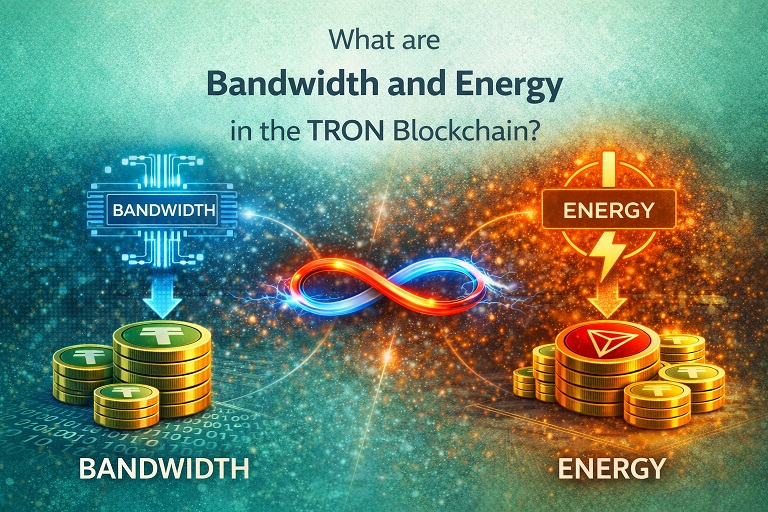
TRON does not price transactions with one changing gas rate. It relies on two internal resources that cover data and computation. Once you understand how this model works, the cost of a USDT transfer becomes much easier to predict.
Many people notice the system only after a failed send. Their wallet shows enough USDT, yet the transfer burns TRX or does not go through. The usual reason is missing resources, or missing TRX that the network uses as a fallback. That is why frequent users often choose tron energy rent to keep transfers steady without constant top ups.
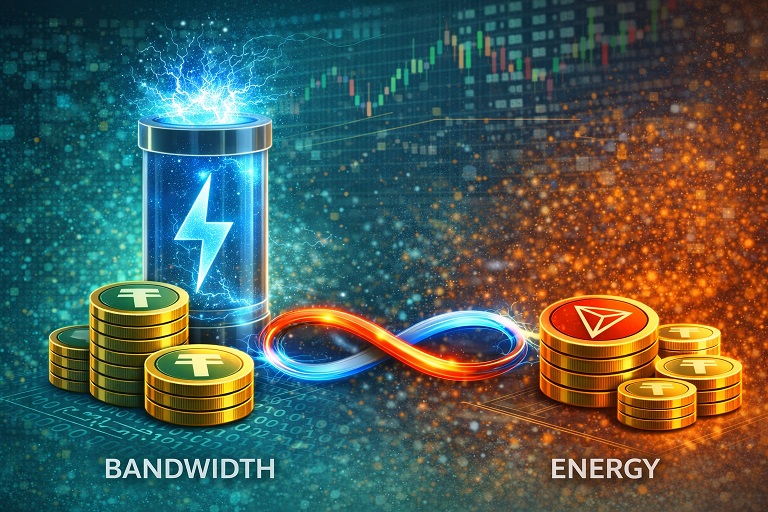
The TRON resource model in plain language
TRON splits transaction “cost” into two parts. One part pays for publishing and storing transaction data on chain. The other part pays for running smart contract logic. USDT TRC-20 sends belong to the second category, because they execute contract code rather than a simple balance move.
If your address has enough resources, the transfer can complete without burning TRX at that moment. If resources are short, TRON automatically burns TRX to cover the gap. Wallet apps usually display that burn as the fee.
The data resource, what it does in practice
Every on chain action has a data footprint. TRON accounts often receive a small daily allowance for this. When you stay within that allowance, basic transactions can feel very cheap.
When the allowance is not enough, TRX is burned to buy extra capacity. This is why some users see TRX spent even for small actions, especially if they send frequently or automate payouts.
The compute resource, why USDT transfers rely on it
TRON Tether USD is a TRC-20 contract. Sending it means executing contract rules, and contract implementation consumes the compute budget. For USDT transfers, this is usually the main driver of cost.
The recipient can affect consumption. Sending to an address that already holds USDT can require fewer contract steps than sending to an address that has never held it. This is a common reason why two transfers of the same amount may not cost the same.
Why you can hold USDT and still need TRX
USDT is what you move, but TRX is what the network burns when resources are missing. If your wallet has neither enough resources nor TRX to cover shortages, a transaction can fail.
This is also why beginners get confused. They see USDT in the wallet and expect the send button to work. In TRON, network resources still need to be paid for, either directly or through TRX burn.
Two common ways to secure enough resources
Users typically choose one of two paths. The first path is staking TRX, which allocates resources to your address while funds remain locked. The second path is renting, which provides resources without tying up your own TRX for long periods.
Staking can fit long term holders, but it reduces flexibility. Renting is often better for frequent senders and P2P activity, because it turns recurring costs into a planned expense.
Tron Pool Energy, the practical way to reduce TRX burn
Tron Pool Energy is designed for one clear goal. It helps your wallet spend rented resources instead of burning TRX on every USDT TRC-20 transfer. You connect using only a public address, so your private keys stay in your wallet and control remains with you.
Most users choose Tron Pool Energy for practical benefits:
- savings up to 65 percent compared with repeated TRX burn for USDT transfers;
- unlimited plan with no time limit, built for frequent sending workflows;
- public address only setup, with no access to private keys or funds;
- support available 24 hours a day, and up to 30 wallets managed in one account.
After you select a plan, resources are assigned to your address. Transfers then draw from that balance first, which reduces failed sends caused by missing TRX.
What changes after you rent TRON resources
Once resources are active, many USDT transfers stop burning TRX in the usual way. You still pay for network usage, but you pay through planned resource access rather than unpredictable burns. That is why the experience feels more stable.
With an unlimited package, some users keep their TRX balance at zero. In that mode, the system can also replenish the data allowance for transfers. The transfer is not “free,” but the day to day need to buy TRX for fees can drop dramatically.
Conclusion
TRON transaction costs are driven by a resource model, not a single gas price. One resource covers transaction data, and the other covers smart contract execution, which is why USDT TRC-20 transfers rely heavily on the compute side. When either part is missing, TRON burns TRX to fill the gap.
If you want fewer failed transfers and clearer spending, tron energy rent through Tron Pool Energy fits how TRON is built. It keeps security straightforward with public address only setup, and it turns resource management into a simple workflow.