- Singapore’s public transportation is evolving, with significant investments leading to novel initiatives and services.
- The Mass Rapid Transit (MRT) system is undergoing expansion, introducing new lines and stations.
- Integrated Transport Hubs (ITHs) are being launched to enhance connectivity and commuter convenience.
- Adopting digital solutions and contactless payments has significantly improved travel convenience and efficiency.
- Singapore is moving towards sustainable transport with electric buses, hybrid taxis, and personalized service.
Singapore has witnessed significant changes in its public transportation sector in the last few years. These changes have improved the country’s public transportation, which plays a critical role in the lives of millions of people who rely on it for their daily commute.
The government and private entities have invested heavily in the sector, resulting in new initiatives and services that are changing Singapore’s public transportation landscape. Here’s an exploration of these changes, what they mean for the country, and why they are essential.
Transportation in Singapore
It’s estimated that about 6.39 million Singaporeans use public transportation daily, making it the backbone of the country’s economy. This is especially true for those working in the city center, where most businesses and people live. Singapore boasts a highly developed and efficient public transportation system, considered one of the best in the world. The interconnected network consists of the Mass Rapid Transit (MRT), buses, and taxis, ensuring residents and tourists can easily move across the city-state.
Buses
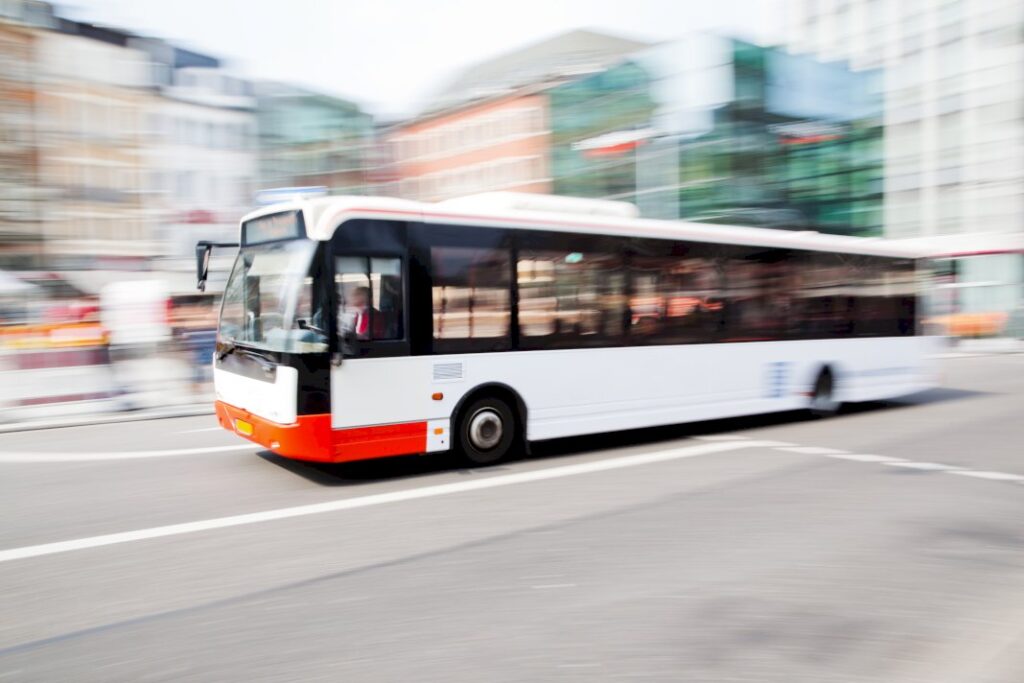
Public transportation in Singapore consists mainly of buses, trains, and taxis. Buses are the main mode of transport for many locals; they have been around since 1867 and provide an affordable way to get around. They are classified according to their routes; short-distance buses go only to the next station, while long-distance ones travel further out of town. Buses run at all hours of the day, with some night services departing from downtown Singapore.
MRT
The country’s MRT (Mass Rapid Transit) system is a train network that runs throughout the city, connecting various parts of Singapore. SMRT is the company responsible for operating the MRT, and they have worked hard in recent years to improve service quality and reliability. It has been doing a lot to modernize the country’s train system through apps and other technology. For example, riders can now use a mobile app to check train arrival times and fares and even top up their travel cards. Additionally, the MRT has recently implemented a new contactless fare payment system, QuickPass, allowing commuters to pay for their rides easily.
Taxi
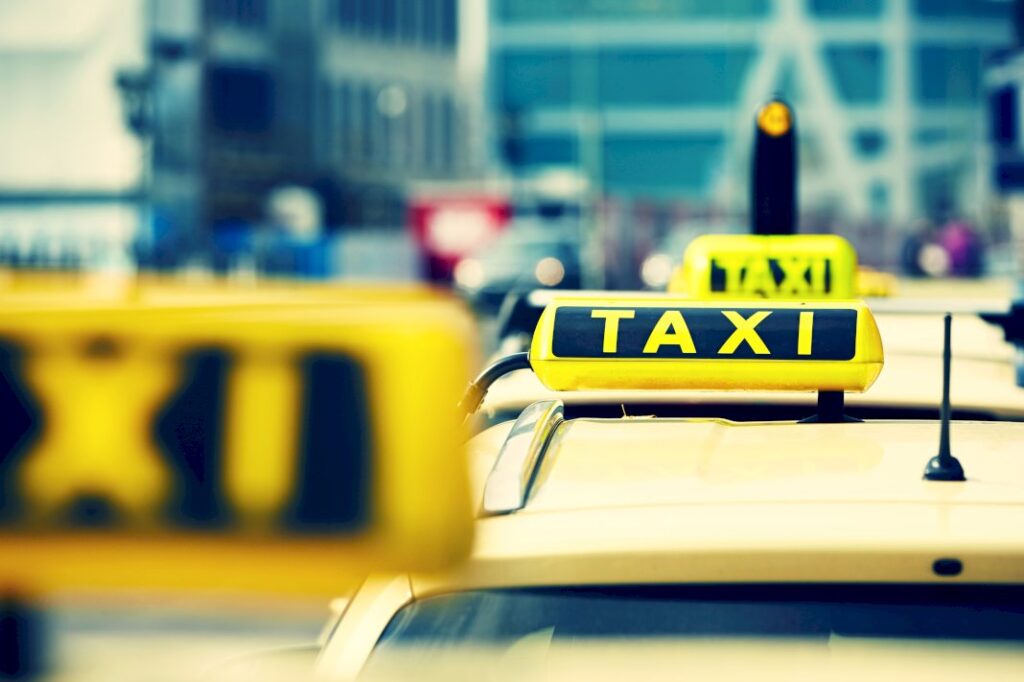
Taxis are also widely used by locals and tourists in Singapore. There are thousands of taxi fleets in the country operating daily. The quality of service has increased due to the introduction of ride-hailing apps such as Grab and GoJek. This has made it easier for people to instantly book taxis or private hire cars. Taxi fares are affordable and a reliable way to get around town. Drivers can also be hailed on the street. However, this is becoming less common as more people opt for ride-hailing services.
Changes In Public Transportation
The Singapore government and private companies have taken several steps to improve the public transportation system in the country.
1. MRT Expansion Projects
The Mass Rapid Transport (MRT) system is a crucial aspect of Singapore’s public transportation, with millions of commuters using it daily. MRT expansion projects are underway, with new train lines and stations added around the island.
The developments include the Thomson-East Coast Line, the Tuas West Extension, and the Cross-Island Line, connecting Changi East to Jurong West. The new lines will provide seamless connectivity, reduce travel time, and increase capacity, ensuring that commuters can travel in comfort and with ease.
2. Integrated Transport Hubs
Singapore is well into its transformation to integrate public transportation, which has improved connectivity and convenience for commuters. The Integrated Transport Hubs (ITHs) have been a key element of this transformation, bringing together various transportation modes, such as buses, trains, taxis, and commercial and residential spaces. These integrated hubs offer seamless connectivity, making transportation between different modes smoother and more efficient. ITHs are being rolled out in various neighborhoods, including Woodlands, Yishun, Sengkang, and Jurong East.
3. Digitalisation and Contactless Payments
Singapore has also introduced a range of initiatives to make the public transportation system more tech-savvy and convenient. One such initiative is the adoption of digitalization, where commuters can track transport timings and the availability of seats and enable contactless payments for commutes. Adopting digital solutions such as mobile apps and contactless payments has made traveling more convenient, efficient and has eliminated the need for physical tickets or cash payments.
4. Electric Buses and Hybrid Taxis
Electric buses and Hybrid Taxis not only reduce the carbon footprint of the transportation system but also provide a more sustainable and efficient mode of transport. Singapore has already adopted a fleet of fully electric cabs and has set a target to have all buses running on cleaner energy by 2040. The Government has also incentivized commercial electric vehicle fleet deployment, encouraging businesses to convert to electric or hybrid vehicles, reducing carbon emissions, and improving overall air quality.
5. Personalized Service via Transportation-as-a-Service (TaaS)
The Transportation-as-a-Service (TaaS) approach is an innovative solution for Singapore’s public transportation sector. Through TaaS, commuters can plan and customize transportation routes according to convenience and accessibility. It promises to offer an end-to-end service by connecting different modes of transport, including public and private modes, such as self-driving vehicles. The TaaS approach is yet to be launched officially in Singapore, but its potential to improve the transportation sector is tremendous.
These changes in Singapore’s public transportation sector have provided an efficient, cost-effective, and sustainable transportation system. The improvements are expected to benefit commuters and the wider population, making it easier and more convenient for them to access goods and services. Moreover, this measure will help reduce pollution levels and improve air quality in Singapore. With these changes in place, citizens can look forward to a brighter future for Singapore’s public transportation sector.
Tech GURU