- Digital infrastructure equipment is essential for private medical clinics to improve the accuracy of diagnosis, treatment, and healthcare services.
- Clinical chemistry analyzers, imaging systems, and laboratory testing equipment are necessary diagnostic tools for accurately diagnosing patient conditions.
- Medical monitors provide real-time information about patients’ health status and enable clinicians to make immediate adjustments.
- Surgical and electronic equipment are required to perform surgeries, biopsies, and administer medications and treatments.
- Investing in the right medical equipment ensures patients receive quality care in the clinic or hospital setting.
Opening a private medical clinic can be a great way to provide quality healthcare services to people in your community. With the right equipment and resources, you can create an environment conducive to better diagnosis and treatment of illnesses. The benefits of opening a private medical clinic include providing more personalized care, offering convenience advantages, creating jobs, and improving access to quality health care.
Medical equipment is essential to the success of any private medical clinic. It helps to ensure that patients receive the highest quality of care and that their needs are met promptly and efficiently. Ultimately, having the right medical equipment is critical in providing quality healthcare services at private clinics. However, you might need help understanding which equipment is necessary for your clinic. Here are some of the essential medical equipment you will need to get started: Digital Infrastructure
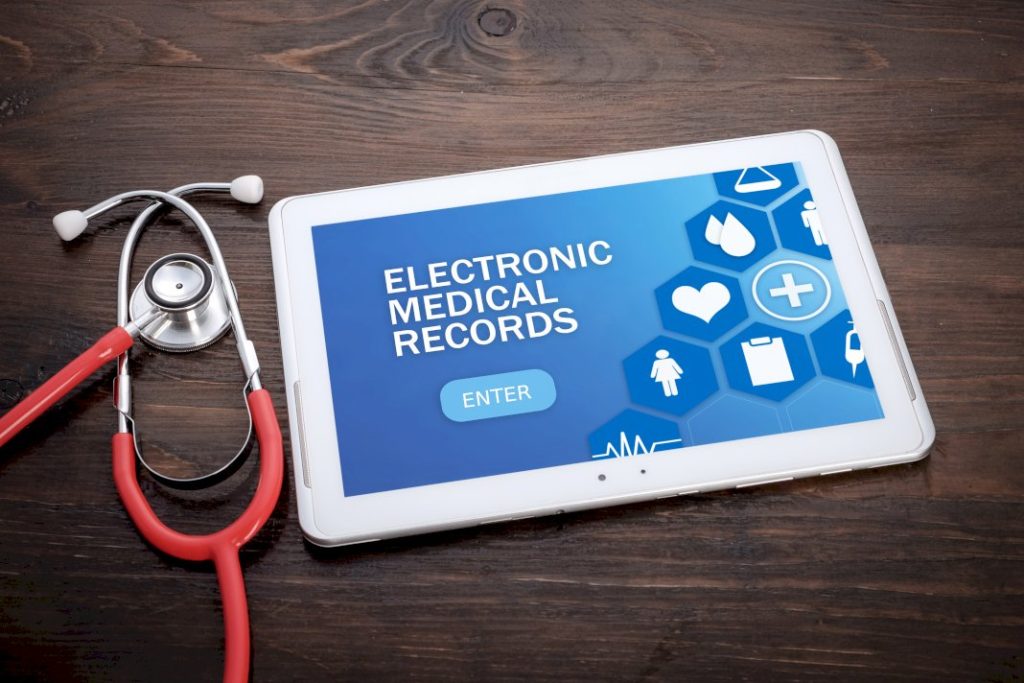
Digital infrastructure equipment is vital for any small medical clinic. It helps to improve the efficiency and accuracy of diagnosis, treatment, and healthcare services. Digital infrastructure can help reduce medical errors through enhanced patient care protocols, electronic health records (EHRs), and more streamlined administrative processes.
Digital infrastructure enables real-time communication among doctors, nurses, staff, and patients. This allows for faster response times when addressing issues or changing care plans. Additionally, digital infrastructure can help provide a better patient experience by allowing quicker access to information about treatments or medications.
Finally, digital infrastructure can enable better data analysis and reporting capabilities. This allows clinicians to identify trends in patient data and improve clinical decision-making based on those insights. By leveraging digital infrastructure solutions such as cloud-based applications or automated analytics solutions, clinical teams can make more informed decisions in less time with greater accuracy. Diagnostic Equipment
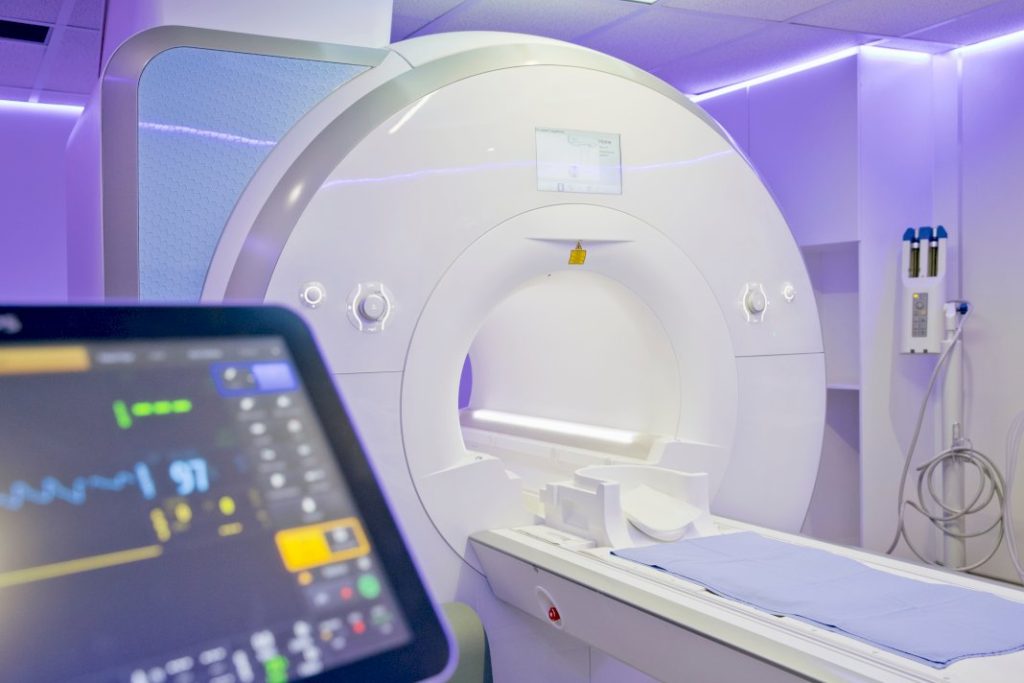
Diagnostic equipment is essential for any medical clinic as it helps to identify the underlying cause of a patient’s symptoms and properly diagnose their condition. Diagnostic equipment comes in many forms, from clinical chemistry analyzers to imaging systems like CT scanners. Here are some of the most common diagnostic equipment that a private medical clinic should have:
Clinical Chemistry Analyzers
Clinical chemistry analyzer is an instrument used to measure clinical laboratory parameters such as pH, glucose, cholesterol, sodium, and other biochemical markers. It provides accurate and reliable results quickly and can help detect diseases or dysfunctions at an early stage. Clinical chemistry analyzers also enable doctors to monitor their patient’s health over time, especially with chronic conditions or those requiring long-term management.
Imaging Systems
Imaging systems such as X-rays and CT scanners are essential diagnostic tools for clinical clinics. They allow doctors to get a detailed view of what’s happening inside the body without performing invasive procedures. Imaging systems can also help diagnose conditions much more accurately than clinical exams alone and can aid in proper treatment planning by providing clear images of the affected area.
Laboratory Testing Equipment
Laboratory testing equipment such as centrifuges and microscopes are used to analyze biological samples from patients. This diagnostic equipment is essential for clinical clinics since it enables doctors to identify potential illnesses or infections more accurately than clinical examinations alone. Laboratory testing also provides clinicians valuable insights into treating patients based on their needs.
Medical Monitors
Medical monitors are electronic devices that measure vital signs such as pulse rate, blood pressure, and respiration rate, among others. Medical monitors provide clinicians with real-time information about their patient’s health status and enable them to make immediate adjustments if necessary. Furthermore, they help reduce errors in diagnosis by alerting healthcare professionals when something is out of the ordinary or when there is an urgent need for treatment intervention.
Electronic and Surgical Equipment
Surgical equipment such as scalpels and forceps are necessary for any medical clinic. This type of equipment is essential for performing surgeries, biopsies, and other invasive procedures. Access to the proper surgical equipment ensures patients get quality care in the hospital or clinic.
Electronic medical equipment will also be needed in any private medical clinic. This includes automated medication dispensing machines, defibrillators, and infusion pumps. These types of equipment are necessary to ensure patients receive the correct medicine or treatment.
Final Thoughts
Investing in the appropriate medical equipment for your clinic can enhance the quality of care you provide and create a more efficient workflow for your healthcare team. Having the correct equipment is essential to providing quality healthcare services at private clinics, so research each piece before purchasing it for your clinic.

Tech GURU