- Invest in reliable printing tools to meet all your printing needs.
- Ensure that your computer and network equipment are up-to-date for optimal performance.
- Invest in ergonomic furniture and accessories such as a comfortable chair and posture-correcting keyboard.
- Install security equipment to protect your premises, such as surveillance cameras, alarm systems, and access control systems.
- Invest in communication equipment such as telephones, video conferencing, and network equipment.
In the business world, one of the most important things is to equip your workspace with the essential business equipment that helps keep things running smoothly. From printing to communication equipment, having the right tools can make all the difference in your workplace productivity, efficiency, and overall success. This post will examine the top five essential business equipment that every business owner should have in their workspace.
Printing Tools
In today’s fast-paced business world, having access to reliable printing tools can make all the difference in your company’s success. From print marketing materials to essential office documents, your printing equipment is crucial to your business operations.
That’s why it’s important to partner with a trustworthy supplier who can provide you with top-quality printing tools and equipment, like IFL Pro. With their expertise, you can be confident that your printing needs will be met efficiently, accurately, and precisely.
Computer and Network Equipment

Computer and network equipment are the backbone of any modern business. Without the right equipment, executing daily tasks such as invoicing, inventory management, and data storage can be difficult. An updated computer with ample memory and a reliable network connection will help you stay current with the latest technology trends and keep your business running smoothly.
Desk and Ergonomic Equipment
With remote work becoming more prevalent, investing in ergonomic equipment such as a comfortable chair and posture-correcting keyboard is important to avoid back pain and fatigue. A clutter-free and well-organized desk can also improve productivity by minimizing distractions and improving focus.
Security Equipment
With the increasing frequency of thefts and burglaries, it is essential to protect your assets and ensure the safety of your employees and customers. Installing security equipment such as surveillance cameras, alarm systems, and access control systems can significantly enhance the security of your business.
These technologies allow you to monitor the premises 24/7, restrict unauthorized access to your property, and alert you of any suspicious activity. By investing in security equipment, you not only prevent potential losses but also create peace of mind for yourself and those around you.
Communication Equipment
Effective communication is the backbone of any successful organization. However, it is not just enough to have skilled professionals to manage the communication system; you need the right communication equipment to support your operations. Communication equipment includes any device or tool you use to facilitate communication within and outside your organization.
Telephone Systems
Telephone systems are the most basic communication equipment used by every business. These systems include traditional landlines, Voice over Internet Protocol (VoIP), and virtual phone systems. Each system has its benefits for different business needs. Traditional landlines are great for businesses with low call volumes and reliable networks.
On the other hand, VoIP offers more advanced features at a lower cost, making it an ideal choice for small and medium-sized businesses. Virtual phone systems are cloud-based and offer features such as call forwarding, voicemail, and automatic attendant, making them perfect for remote employees.
Video Conferencing Equipment
Video conferencing equipment is essential for businesses with remote employees in different locations. Video conferencing allows teams to hold virtual meetings, participate in webinars, and hold training sessions while still having a near-personal touch.
Businesses can choose between hardware-based or software-based video conferencing equipment. Hardware-based is expensive but provides high-quality video quality and sound. Software-based equipment is more cost-effective and more accessible to use but less reliable.
Network Equipment
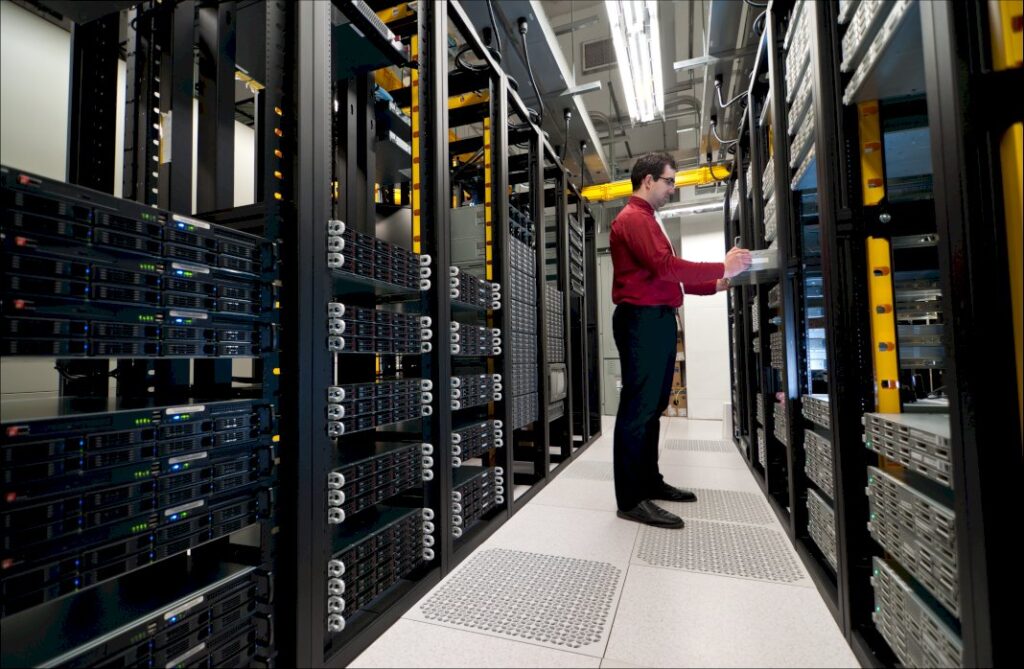
Network equipment is essential for effective communication and a seamless flow of information between departments. The kit includes modems, routers, switches, and wireless access points.
This equipment facilitates internet connectivity and provides a gateway to connect different devices within the organization. A primary router and modem may be sufficient for small businesses, while medium-sized and large organizations require more advanced network equipment.
Unified Communications
Unified Communications (UC) is an integrated system that consolidates all communication tools, including voice, video, messaging, and email, into one platform. A UC system provides a seamless interface, making collaboration between departments easy and efficient. Unified communications offer many benefits, such as improving customer engagement, reducing costs, and improving overall productivity.
In conclusion, the above equipment provides a solid foundation for a productive and functional workspace. Investing in quality equipment will help your business thrive in today’s competitive landscape. Take the time to research and invest in your business’s right tools and equipment, as it will help you stay ahead of the competition, improve productivity, and maintain a positive work environment.

Tech GURU