Modern web applications are complex, data-driven systems that serve thousands — sometimes millions — of users. But with complexity comes risk. Security vulnerabilities can emerge at any layer, from server misconfigurations to exploitable code. That’s where penetration testing comes in.
Web application penetration testing is a controlled, ethical hacking process designed to identify security weaknesses before real attackers can exploit them. The goal is not just to find vulnerabilities but to understand their impact and fix them before damage is done.
To perform these tests effectively, security teams rely on a wide array of web application penetration testing tools. These tools fall into two broad categories: vulnerability scanning tools and exploitation tools.
1. Vulnerability Scanning Tools
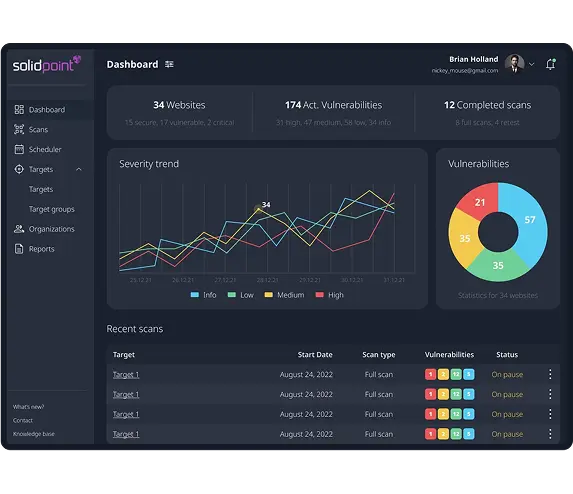
These tools scan web applications to identify known weaknesses — such as outdated components, insecure configurations, or vulnerabilities like SQL injection, cross-site scripting (XSS), and cross-site request forgery (CSRF). They automate much of the reconnaissance and analysis phase of a penetration test.
Popular web application penetration testing tools for vulnerability scanning include:
- OWASP ZAP (Zed Attack Proxy): A widely used open-source scanner with robust features for both beginners and professionals. It can be used manually or integrated into automated testing pipelines.
- Burp Suite (Community and Professional Editions): Combines proxy, scanner, and manual testing tools. The Pro version includes advanced scanning features and detailed reporting.
- Nikto: A command-line tool for scanning web servers for outdated software, misconfigurations, and known vulnerabilities.
- Acunetix and Netsparker: Commercial tools offering deep scanning capabilities, smart crawling, and comprehensive vulnerability detection.
These scanners not only flag potential issues but often provide risk assessments and mitigation suggestions, making them an essential part of any web application security strategy.
2. Exploitation Tools
Finding a vulnerability is one thing — proving its impact is another. Exploitation tools help testers demonstrate whether a flaw can actually be used to gain unauthorized access, steal data, or compromise functionality.
Among the most widely used web application penetration testing tools for exploitation are:
- Metasploit Framework: A powerful open-source platform for developing, testing, and executing exploits. It includes a vast library of payloads, post-exploitation modules, and automation features.
- SQLmap: Designed specifically for detecting and exploiting SQL injection vulnerabilities. It can enumerate databases, extract data, and even gain remote access in some cases.
- BeEF (Browser Exploitation Framework): Focuses on exploiting browser-side vulnerabilities and assessing the security posture of users’ environments.
- XSStrike: An advanced tool for testing XSS vulnerabilities with payload generation, context analysis, and filter evasion capabilities.
These tools are more technical but critical for verifying whether identified vulnerabilities are exploitable in real-world scenarios.
Final Thoughts
Using the right web application penetration testing tools is essential for securing any modern online platform. Scanning tools help uncover surface-level issues, while exploitation tools validate and expose the real risk. Together, they provide a comprehensive approach to identifying and fixing vulnerabilities — before attackers get the chance.